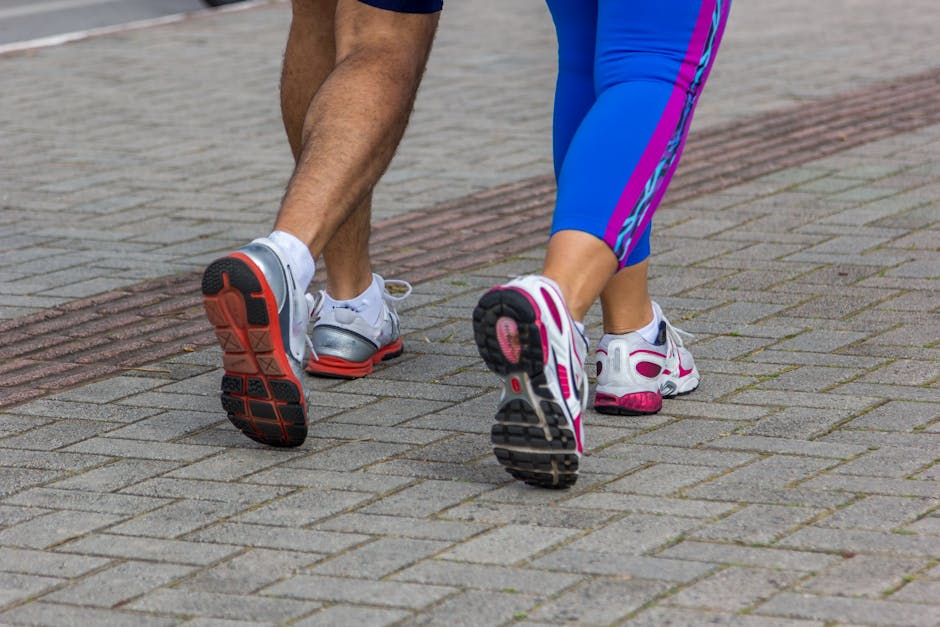
Choosing running shoes isn't just about picking a style you like. Your gait—the way your foot strikes the ground—plays a crucial role in injury prevention and comfort. Many runners suffer from shin splints, plantar fasciitis, and knee pain simply because they're wearing the wrong shoes for their running pattern.
Understanding Your Gait Type
There are three main gait types: neutral, overpronation, and supination. Neutral runners have a balanced foot strike, while overpronators' feet roll inward excessively. Supinators roll outward. You can determine your gait by watching a video of yourself running or visiting a specialist shop that offers gait analysis.
What Gait Analysis Reveals
Professional gait analysis uses video technology to examine your running form in detail. Many UK running shops offer this service free or for a small fee. The analysis shows where your foot lands, how your arch behaves, and whether you need stability features or cushioning. This information is invaluable when selecting shoes.
Matching Shoes to Your Needs
Once you know your gait type, you can choose appropriate shoes. Neutral runners have the widest selection. Overpronators benefit from stability shoes with medial posts. Supinators need cushioned, flexible shoes that allow natural motion. Brands design shoes specifically for each category.
The Importance of Proper Fit
Beyond gait type, fit matters enormously. Your running shoes should have about a thumb's width of space between your longest toe and the shoe end. Avoid shoes that feel tight—they won't stretch much. Shop in the afternoon when your feet are slightly swollen, as they are when running.
Testing Before Committing
Many UK running retailers offer a returns policy or trial period. Use this to test shoes on actual runs before deciding. A shoe might feel comfortable in the shop but reveal problems after three miles. Some runners benefit from consulting a physiotherapist alongside gait analysis, especially if they have existing injuries.
Regular Replacement
Running shoes typically last 400–500 miles before the cushioning degrades. Track your mileage and replace shoes regularly to maintain injury prevention benefits. Worn shoes lose their structural support, even if they don't look damaged.
Taking time to find the right shoes based on your gait is one of the best investments you can make in your running journey.